
Concrete Sealers & Coatings
Concrete sealers and coatings are the best way to protect your slab from water, stains, salt, and everyday wear. Whether you’re sealing a driveway, patio, garage floor, or indoor concrete, the right product keeps your surface looking clean and lasting longer. This guide breaks down the different types of concrete sealers—penetrating, acrylic, epoxy, and polyurethane—so you can choose the right one for your project. You’ll also find step‑by‑step tips, pro‑level recommendations, and the products I trust on real jobs.
Related Guides
Epoxy concrete Coatings – Overview of all sealer types and where to use them
Outdoor Concrete Sealer – Best options for driveways, patios, and exterior slabs
Indoor Concrete Sealers – protect basement and interior floors from moisture, dusting, and everyday wear.
- Start Here: Concrete Tools & Guides – Your main resource hub for every project
Why Seal Your Concrete
Sealing concrete protects the surface from water, stains, salt, and everyday wear. A good sealer keeps moisture out, reduces freeze‑thaw damage, and helps prevent cracking over time. It also makes the surface easier to clean by blocking oil, dirt, and contaminants from soaking in. For outdoor slabs, sealing extends the life of the concrete and keeps it looking better for longer. Indoors, it adds durability, improves appearance, and helps resist chemicals and abrasion.
Types of concrete sealers:
- Penetrating sealers (silane, siloxane, siliconate) These soak into the concrete to protect against water, salt, and freeze‑thaw damage. Best for exterior slabs that need long‑term protection without changing the appearance.
- Acrylic sealers (water‑based or solvent‑based) These form a thin protective film on the surface. They come in matte, satin, or high‑gloss finishes and are good for patios, decorative concrete, and enhancing color.
- Epoxy coatings These create a thick, durable, glossy surface that resists chemicals, oil, and abrasion. Ideal for garage floors, basements, and high‑traffic indoor areas.
- Polyurethane coatings These are strong, flexible, and highly resistant to chemicals and UV exposure. Often used as a topcoat over epoxy for added durability.
Why Seal Your Concrete
Sealing concrete protects the surface from water, stains, salt, and everyday wear. A good sealer keeps moisture out, reduces freeze‑thaw damage, and helps prevent cracking over time. It also makes the surface easier to clean by blocking oil, dirt, and contaminants from soaking in. For outdoor slabs, sealing extends the life of the concrete and keeps it looking better for longer. Indoors, it adds durability, improves appearance, and helps resist chemicals and abrasion.
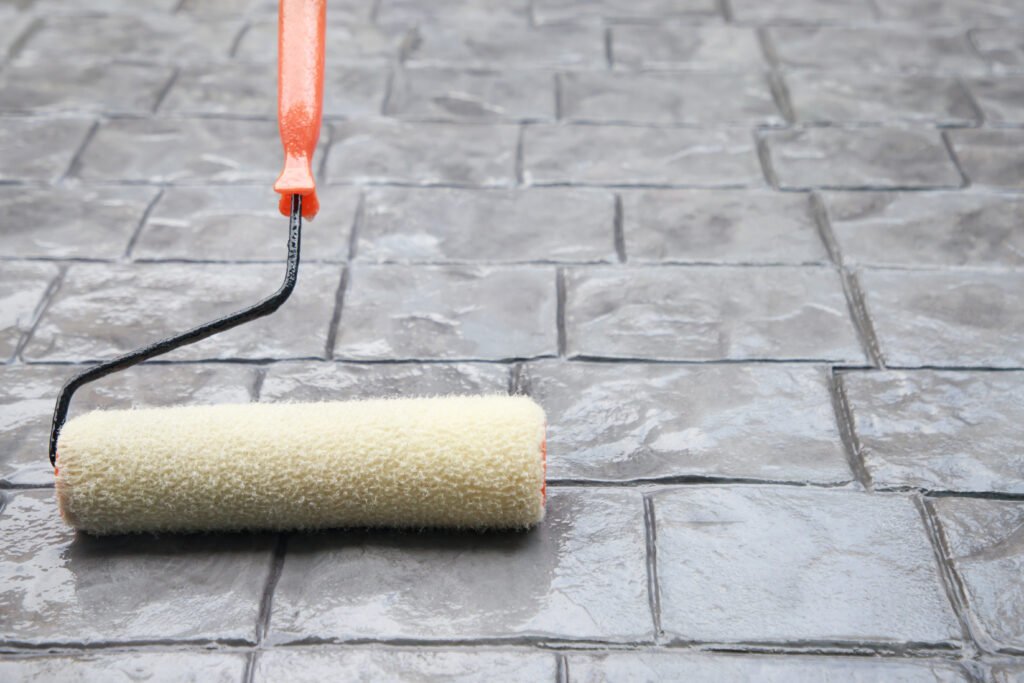
Concrete Sealer for Driveways, Patios, and Stamped Concrete
Sealing a driveway or patio protects the concrete from water, salt, stains, and surface wear. Outdoor slabs take constant abuse from weather, vehicles, and foot traffic, so choosing the right sealer helps prevent cracking, fading, and long‑term damage. This guide covers the best types of sealers for exterior concrete and the tools you’ll need to apply them correctly.
Stamped concrete also benefits from sealing because it brings out the color, adds depth, and enhances the overall appearance. A good acrylic or “designer” sealer can make stamped patterns look richer and more defined while still protecting the surface from UV fading, moisture, and everyday wear.
Ready to seal your driveway or patio? Explore our guide to outdoor concrete sealers to find the right option for your project.
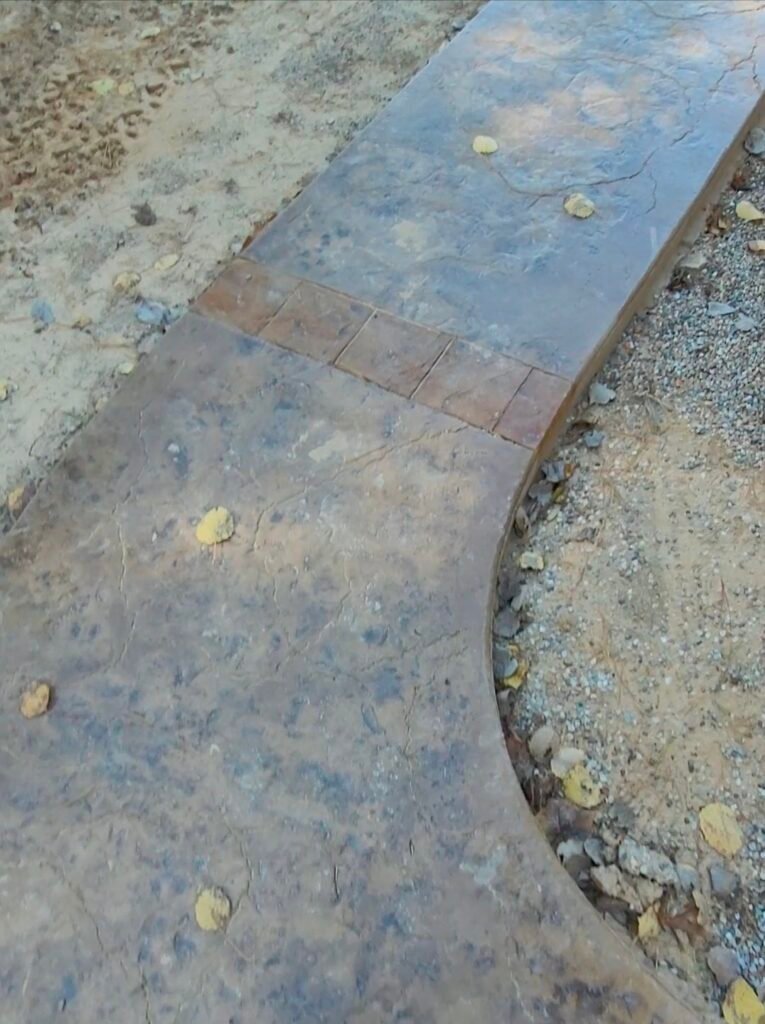
Indoor Concrete Sealers: Best Option for Basements and Interior Floors
Indoor concrete has different needs than outdoor slabs. Garages, basements, and interior floors benefit from sealers that add durability, resist moisture, and protect against stains and chemicals. This section covers the best options for indoor concrete, including acrylics, polyurethanes, and epoxy coatings, so you can choose the right level of protection for your space.
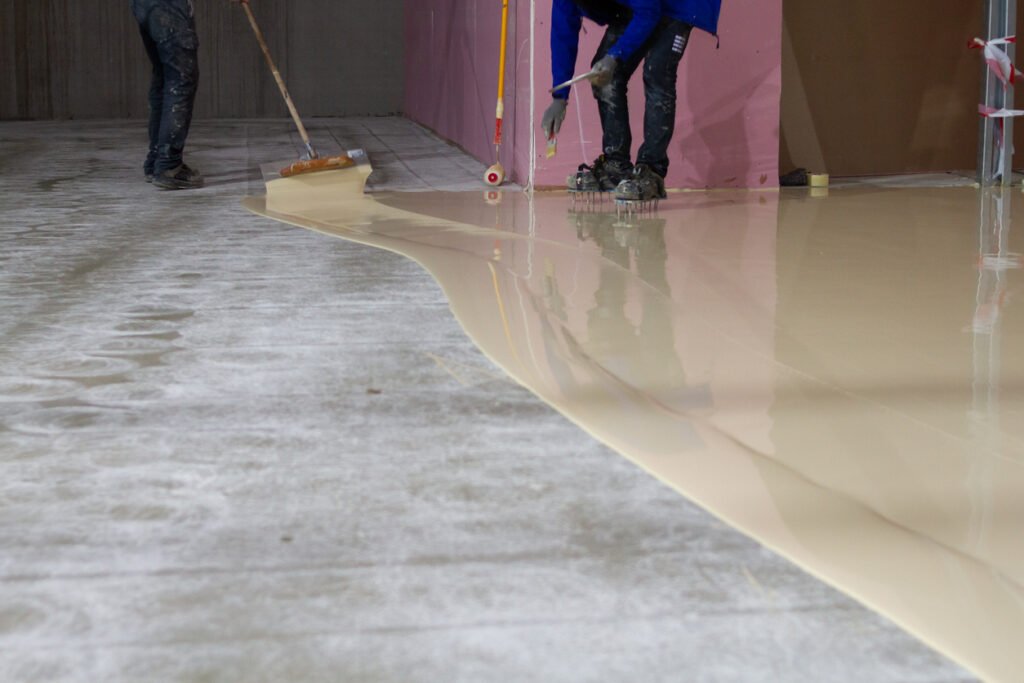
Epoxy & Polyurethane Coatings
Epoxy and polyurethane coatings are the strongest options for protecting concrete in high‑traffic or heavy‑use areas. These coatings create a durable, long‑lasting surface that resists chemicals, abrasion, and moisture. This section explains when to choose epoxy, when polyurethane is the better fit, and what to expect during the coating process.
Learn more about protecting and enhancing your concrete floors with our Epoxy Concrete Coatings guide, including step-by-step application tips and top product recommendations.
Final Thoughts on Sealers and Coatings
Choosing the right concrete sealer or coating comes down to how the surface is used and the level of protection you need. Outdoor slabs benefit from penetrating or acrylic sealers that guard against weather, moisture, and fading, while indoor floors often need the durability of epoxy or polyurethane. No matter the project, sealing concrete helps it last longer, look better, and stay protected from everyday wear. Use this guide to find the right option for your space and move confidently into the next step of your project.