
Should I Repair Concrete or Not?
Most concrete problems look simple from the surface, but not every crack or spall is a DIY job. Some issues are safe to patch yourself, and others can turn into bigger, more expensive problems if you don’t bring in a contractor. This guide breaks down the difference so you know when a quick homeowner repair is fine—and when it’s smarter (and cheaper in the long run) to call a pro
Related Guides
- How to Repair Concrete Cracks – Step‑by‑step guide for cleaning, prepping, and filling cracks the right way.
- How to Patch Concrete – Best for fixing holes, pits, and damaged areas so your slab is solid and ready for sealing or coating.
- How to Resurface Concrete – Ideal for restoring worn, spalled, or ugly concrete with a fresh, uniform finish.
- Start Here: Concrete Tools & Guides – Your main resource hub for tools, materials, and techniques used in every repair project.
When Cracks Should Not Be Repaired (And Why You May Need a Contractor)
Concrete cracks — that’s normal. But not every crack should be repaired. The damaged concrete will usually tell you a story if you know how to read it. If your cracks are widening, running in random directions, or forming because there are no control joints, that’s a sign of a deeper problem. It often means the slab wasn’t poured with proper joints, or it may not have any wire mesh or rebar inside.
Rebar and wire mesh don’t stop concrete from cracking — they simply hold the cracks together so the slab stays stable. When a slab has no reinforcement and no control joints, the concrete doesn’t know where to crack, so it splits wherever it wants. In these cases, repairing the cracks won’t solve the root issue. The cracks will just come back in the same spots or new ones will form.
If this sounds like your situation, it’s best to call a professional. A contractor can diagnose the underlying problem and recommend the right fix instead of wasting time and money on repairs that won’t last.
Why You Should Repair Concrete (Before It Gets Worse)
Concrete doesn’t fail all at once. It breaks down slowly — and the longer you wait, the more expensive the fix becomes. Most damage starts from freeze and thaw cycles. Water gets into small cracks, freezes, expands, and pops the surface off a little more each year. That’s how you go from a hairline crack to spalling, pitting, and full‑on slab failure. Check out my How to Repair Cracks in Concrete Guide
The truth is, a lot of contractors will tell you the whole slab needs to be torn out because replacement pays more. But most homeowners don’t need a full replacement. I’ve resurfaced and repaired slabs that would’ve cost tens of thousands of dollars to demo and repour. With the right products and a simple process, you can stop the damage, restore the surface, and extend the life of your concrete for years. You must do your due diligence in determining if repair is possible.
Real Example: When a Repair Isn’t Worth It
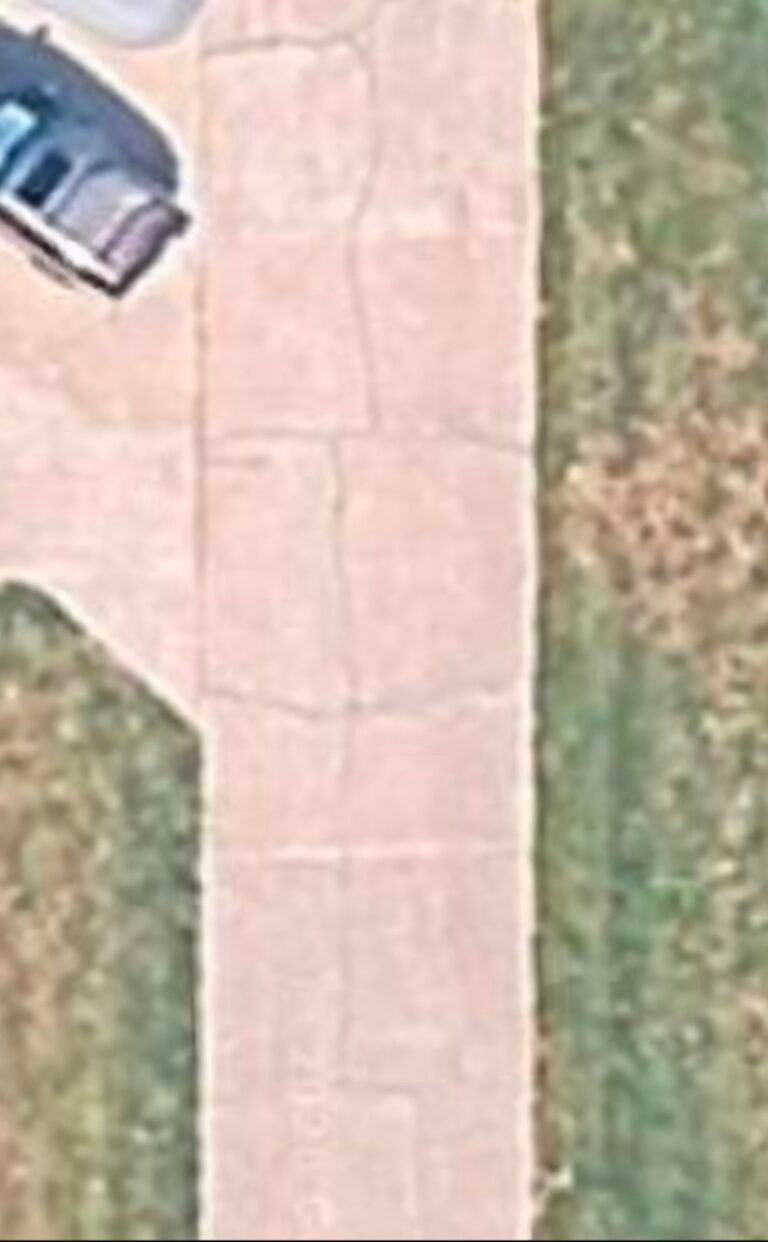
Take this customer’s driveway as an example. The Google image is blurry, but you can still see the real issue: there are no control joints anywhere in the slab. Because of that, every crack you see is completely random. The homeowner told me he fills the cracks every year, but they keep getting wider. That’s not a repair problem — that’s a design problem.
When a slab has no control joints, the concrete has no guidance on where to crack. And if there’s no wire mesh or rebar, the slab has nothing holding those cracks together. So the concrete moves, the cracks spread, and every DIY repair fails within a season.
In good conscience, I can’t take a job like this without explaining what’s really happening. Sure, I could cut new control joints, resurface the entire driveway, and re‑cut the joints — but it’s risky, and the fix might only last a couple of years before the same issues return.
In a case like this, the most honest recommendation is to tear it out and replace it. It’s the only long‑term solution that won’t waste the homeowner’s money.
When Spalling and Chipping Can Be Repaired
Concrete spalls and chips for all kinds of reasons — freeze‑thaw cycles, salt damage, poor finishing, or just age. The good news is that if this is your situation, you’re actually one of the lucky ones. Spalling and surface chipping are some of the easiest and strongest repairs you can make, and in most cases they can be fixed by resurfacing.
In fact, these are the repairs that often last 10+ years when done correctly. If you look at my Resurfacing and Patching Guides, I explain the process in detail, but here’s the simple truth: concrete is porous, and those surface imperfections actually help a resurfacer bond better. The rougher the surface, the more the new material has something to bite into.
When the slab is structurally sound and the damage is only on the surface, resurfacing is not just a repair — it’s an upgrade. You get a clean, uniform finish, and the bond is incredibly strong when the prep is done right.
Perfect Example of Repairable Concrete
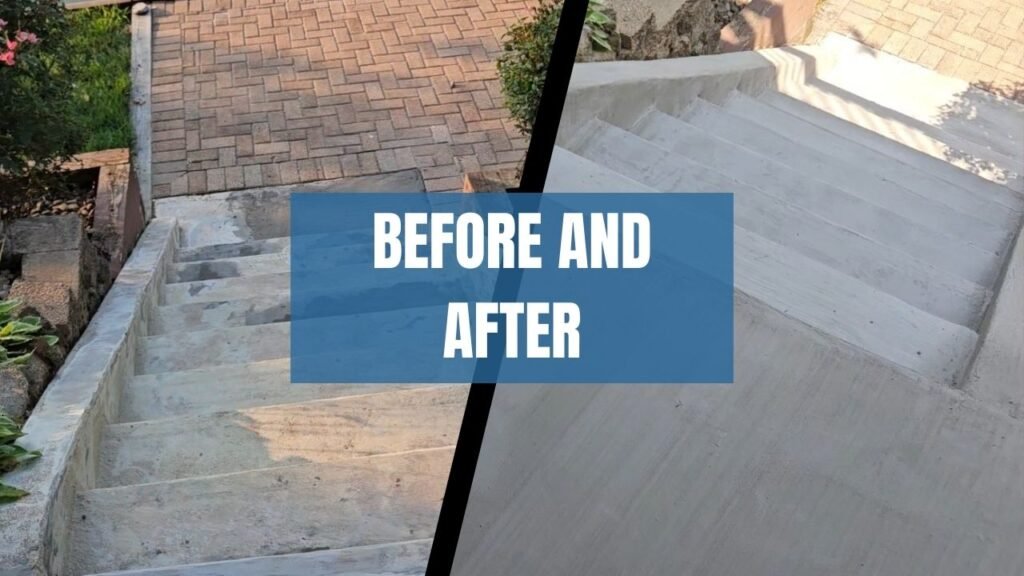
Here’s a great example of concrete that is worth repairing. This homeowner had a few minor cracks, but the real issue wasn’t the concrete — it was the old paint coating that had worn down over time. The slab itself was solid, reinforced, and had proper control joints. That’s the difference.
We started by grinding off all the old paint to get back to clean, bare concrete. Once the surface was opened up, we repaired every crack and pothole the right way so the new material had something strong to bond to. After that, we resurfaced his stairs, and the transformation was night and day. They now look like freshly poured concrete.
Final Thoughts on If you Should Repair Concrete
At the end of the day, concrete repair can be an easy, sometimes even fun DIY project — but other times it can feel completely futile. Some slabs are worth saving, and some are fighting against you no matter what you do. It’s up to you to look at the condition of your concrete, understand what the damage is telling you, and decide the best course of action.
And if you’re a contractor just starting out, remember this: your reputation is everything. Recommending the right solution — even when it means turning down a job — should always be your top priority. Being honest about what will and won’t last isn’t just good business; it helps you sleep better at night knowing you did right by the homeowner.