
Concrete Sealer for Driveways and Patios
As an Amazon Associate, I earn from qualifying purchases.
Sealing a driveway or patio protects the concrete from water, salt, stains, and everyday wear. Outdoor slabs take constant abuse from weather, vehicles, and foot traffic, so the right sealer helps prevent cracking, fading, and long‑term damage. A quality sealer keeps the surface looking better for longer while making maintenance easier and improving overall durability. Best Concrete Sealers for Driveways & Patios
Related Guides
Sealers & Coatings Hub – Overview of all sealer types and where to use them
Epoxy Concrete Coatings – Best for garages, shops, and basements
Indoor Concrete Sealers – protect basement and interior floors from moisture, dusting, and everyday wear.
- Start Here: Concrete Tools & Guides – Your main resource hub for every project
- Best Concrete Sealers for driveways & patios – Reliable sealers that protect your driveway or patio from weather, water, and wear.
Types of Outdoor Sealers
Penetrating Sealers – Soak into the concrete to block water, salt, and freeze‑thaw damage without changing the surface appearance. Its the most common and recommended for normal outdoor concrete, and you cant go wrong with a water base.
Acrylic Sealers – Create a thin protective film that enhances color and adds a matte or glossy finish; great for patios and stamped concrete. Different glosses give you that shine or wet-look that you would want on stamped, exposed aggregate, or any designer concrete.
Forget about other types of sealers for this outdoor section we will be focusing on these two types. Check out my Sealers and Coatings hub for a more broad overview.
Why Driveways and Patios Need Sealer
Driveways and patios are exposed to constant moisture, freeze‑thaw cycles, road salt, UV rays, and everyday wear. Without a sealer, water soaks into the concrete, leading to cracking, surface flaking, fading, and long‑term damage. A good exterior sealer blocks moisture, protects against stains, and keeps the surface looking better for longer, especially in harsh climates.
Tools and Products you’ll need
Sealing a driveway or patio doesn’t require a lot of tools, but using the right ones makes the job easier and helps the sealer perform the way it’s supposed to. Proper prep and even application are what separate a long-lasting seal from one that fails early.
Concrete Sealer – Choose a sealer designed for outdoor use. Penetrating sealers are ideal for driveways and patios because they protect against water, freeze-thaw damage, and salt without peeling or turning white. Acrylic sealers for stamped colored designer concrete to bring out the colors and give it that wet look.
Pressure Washer or Stiff Push Broom – Used to clean dirt, mildew, and buildup from the surface before sealing. A clean slab is critical for proper sealer performance.
Westinghouse 2500psi is more then enough for concrete(rememeber you don’t want to damage the concrete)
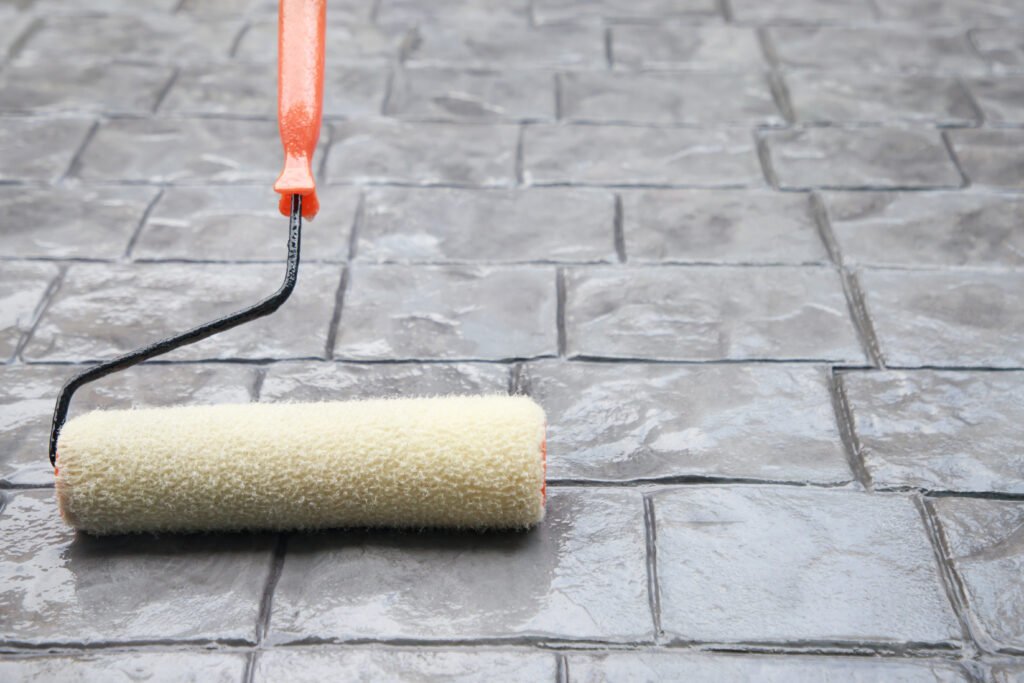
- Pump Sprayer or Roller – A sprayer works best for penetrating sealers, while a roller is fine for thicker, film-forming products. Chapin Pump sprayers are the best in buisiness.
Mixing Bucket – Useful for pouring and controlling sealer during application.
Protective Gloves and Eye Protection – Sealers are chemical products and should be handled safely.
Rags or Towels – Handy for wiping up drips or overspray before they dry.
That’s all you need for most driveway and patio sealing jobs. Once the surface is clean and dry, applying the sealer evenly and allowing proper cure time will give you long-lasting protection and a cleaner, better-looking slab.
Step by Step Guide to Sealing
Clean the Surface Remove dirt, oil, stains, and debris so the sealer bonds properly. Visit Concrete Cleaning & Maintenance Guide for help
Let the Concrete Dry Give the slab enough time to fully dry after washing or rain.
Mask Off Edges and Nearby Surfaces Protect siding, garage doors, and landscaping from overspray.
Apply the Sealer Use a pump sprayer or roller to lay down an even, consistent coat.
Armor SX5000 is a good water based penetrating sealer.
Armor AR350 is a good acylic sealer for stamped colored concrete
Back‑Roll if Needed Even out heavy spots, but be careful with acrylic sealers as they can become stringy if rolled best just to spray. — over‑rolling can leave streaks or roller lines.
Let the Sealer Cure Keep the surface dry and free of traffic until the sealer has fully cured.
Common Mistakes & Pro Tips
Applying sealer to damp concrete Moisture trapped under a sealer causes whitening, peeling, or poor penetration. Pro tip: Give the slab at least 24 hours of dry weather before sealing. Watch out for wet dirty feet while sealing as well
Putting sealer on too thick Heavy coats lead to streaks, roller lines, and slow cure times. Pro tip: Two thin coats always outperform one thick one. acylic seals should just be sprays or lightly back rolled if its stringy stop rolling.
Skipping the cleaning step Dirt, oil, and old residue stop the sealer from bonding. Pro tip: Pressure wash and let the surface fully dry before sealing.
Over‑rolling acrylic sealers Rolling too much creates streaks and dull patches. Pro tip: Spray or roll a thin coat, then lightly back‑roll only to even out heavy spots.
Not masking off edges Overspray on siding or garage doors is a pain to remove. Pro tip: Tape and plastic save you cleanup time.
Ignoring weather conditions Heat, wind, or direct sun can flash‑dry acrylics and cause lap marks. Pro tip: Seal early morning or late afternoon for best results.
Walking or driving on it too soon Traffic before the sealer cures reduces durability. Pro tip: Keep foot traffic off for 24 hours and vehicles off for 48–72 hours
Personally, my biggest mistakes while sealing is the cleaning part. If you don’t have a consistent clean with a pressure washer the sealer will enhance the flaws. be consistent with the wand, use a surface attachment and from there its a straight forward process.
Final Thoughts on outdoor Sealers
If your driveway or patio is clean, dry, and in good condition, sealing it is one of the simplest ways to protect the concrete and keep it looking sharp for years. A good sealer blocks water, salt, UV, and everyday wear without adding extra maintenance or complexity. The options covered above are the same types I use on real jobs and the ones I recommend to homeowners who want reliable, long‑lasting results without overthinking the process.