
Indoor Concrete Sealer for Basements and Interior Floors
As an Amazon Associate, I earn from qualifying purchases.
Indoor concrete needs a different approach than outdoor surfaces. Basements, interior floors, and utility rooms all benefit from sealers that are breathable, low‑odor, and safe to use inside. This guide breaks down the best options for protecting indoor concrete and keeping moisture problems under control.
Related Guides
- Best Indoor Concrete Sealers – Low odor Eco friendly options for basements and garage floors.
Sealers & Coatings Hub – Overview of all sealer types and where to use them
Outdoor Concrete Sealer – Best options for driveways, patios, and exterior slabs
Epoxy & Polyurethane Coatings – Strongest coatings for garages and interior shops
- Start Here: Concrete Tools & Guides – Your main resource hub for every project
Types of Indoor Concrete Sealers
Water‑Based Penetrating Sealers (Best Overall)
Soak into the concrete instead of sitting on top
Best for basements and areas with moisture or humidity
Stay breathable to prevent peeling, flaking, or trapped moisture
Low‑odor and safe for indoor use
Ideal under carpet, tile, epoxy, or any flooring system
Indoor concrete needs to be waterbased, low-odor as to not create fumes in your home check out Indoor Concrete Sealers for eco friendly options.
Epoxy Coatings (Optional for Certain Interiors)
Thick, durable coating for high‑traffic interior floors
Not breathable, so not ideal for damp basements
Best for workshops, utility rooms, and interior workspaces
Extremely strong and chemical‑resistant
Epoxy coating is a thick, durable, chemical‑resistant layer applied to indoor concrete floors to create a hard, long‑lasting, easy‑to‑clean surface. They are beautiful and fun to do. Check out my recommended DIY friendly Epoxy Floor Kits
Concrete Densifiers (For Polished Concrete)
Not a traditional sealer, but hardens and strengthens the surface
Zero odor and fully breathable
Used for polished concrete or dust‑proofing interior slabs
Why Indoor Concrete Needs Sealer
Indoor concrete still needs protection because it’s naturally porous and constantly absorbs moisture from the ground. A good sealer helps control vapor, reduces dusting, and keeps stains from soaking in. It also makes the surface easier to clean and prepares the slab for any flooring you plan to install.
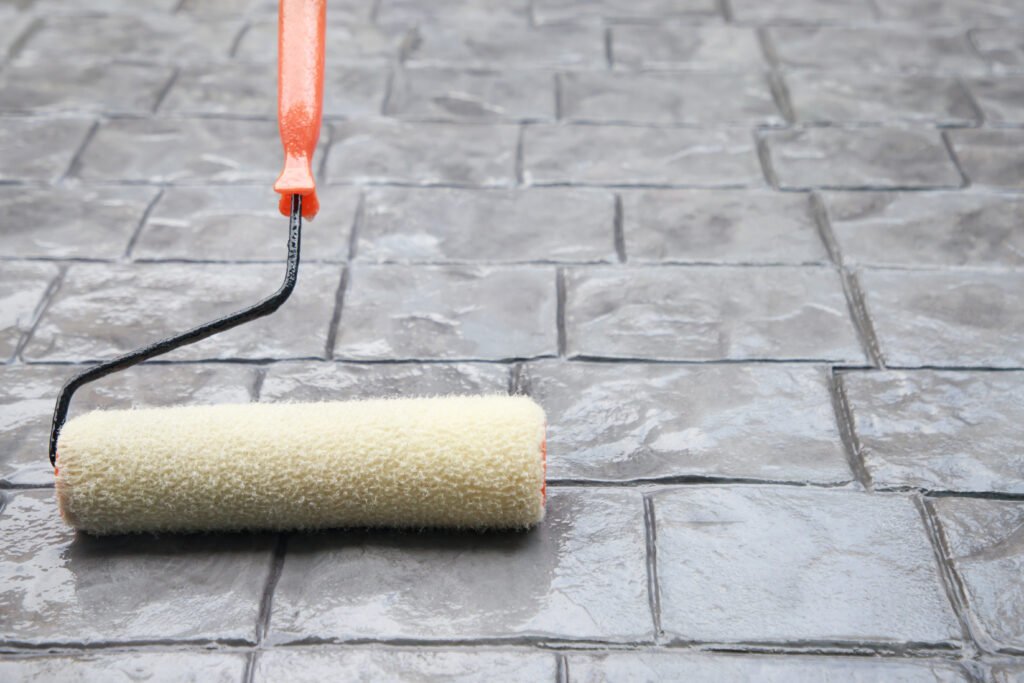
Tools and Products You’ll Need
Concrete Sealer Choose a sealer made for indoor use. Water‑based penetrating sealers are best for basements because they stay breathable and help control moisture.
Soft‑Bristle Broom or Shop Vacuum Used to remove dust, dirt, and debris before sealing. Indoor slabs collect fine dust, and a clean surface is critical for proper sealer performance.
Mop or Floor Scrubber Helps wash the slab with a mild detergent to remove residue, spills, or contaminants that could prevent the sealer from soaking in or bonding.
Pump Sprayer or Microfiber Applicator Pad A pump sprayer works well for penetrating sealers, while a microfiber pad or T‑bar applicator is perfect for water‑based acrylics. Both give you a smooth, even coat without streaks. Chapin pump Sprayers are the best in business.
Mixing Bucket Useful for pouring, mixing, and controlling the sealer during application, especially if the product settled in the container.
Protective Gloves and Eye Protection Even water‑based sealers are chemical products and should be handled safely.
Rags or Towels Handy for wiping up drips, edges, or any spots where sealer pools before it dries.
Step‑by‑Step Guide to Sealing Indoor Concrete Floors
Clean the surface Remove dust, dirt, stains, and any loose material so the sealer can soak in or bond properly.
For more tips on keeping your concrete in good shape, check out my Cleaning & Maintenance Guide
Degrease and rinse Use a mild concrete cleaner or degreaser on any spots with oil, spills, or residue, then rinse and vacuum or mop up the dirty water.
Let the concrete dry Give the slab enough time to fully dry after cleaning—typically 24 hours or more, depending on humidity and airflow.
Mask off edges and nearby surfaces Protect baseboards, walls, posts, and anything you don’t want sealer on with painter’s tape and plastic.
Apply the sealer Use a pump sprayer for water‑based penetrating sealer, or a microfiber applicator/T‑bar for water‑based acrylic. Work in small sections and maintain a wet edge.
Example penetrating sealer A water‑based penetrating sealer designed for interior/basement use is a solid choice for most indoor slabs.
Back‑roll only if needed For penetrating sealers, light back‑rolling can even out any heavy spots. For acrylics, avoid over‑rolling—too much back‑rolling can leave streaks or pull the sealer and make it look patchy.
Let the sealer cure Keep the floor dry and free of traffic until the sealer has fully cured, following the product’s label for recoat and cure times.
Common Mistakes and Pro Tips
Not letting the slab dry fully Indoor floors hold moisture longer than outdoor slabs. Sealing a damp surface leads to hazing, poor bonding, or a blotchy finish. Pro Tip: Use a fan or air mover and give it a full 24 hours after cleaning.
Using the wrong type of sealer indoors Solvent‑based acrylics and high‑gloss products can create strong fumes and trap moisture. Pro Tip: Stick to water‑based penetrating or water‑based acrylic for safe, breathable indoor use.
Skipping the cleaning step Dust, detergent residue, or old spills prevent the sealer from soaking in or bonding. Pro Tip: Vacuum thoroughly, mop with a mild cleaner, and rinse well.
Applying too much sealer Heavy coats can leave streaks, tacky spots, or a cloudy finish. Pro Tip: Two thin coats always beat one heavy one.
Over‑rolling acrylic sealers Rolling too much can cause streaks or pull the sealer, especially indoors where airflow is limited. Pro Tip: Apply with a microfiber pad or T‑bar and avoid going back over drying areas.
Not protecting walls and trim Indoor overspray or drips are harder to clean than outdoor surfaces. Pro Tip: Tape off baseboards and use plastic sheeting to keep everything clean.
Walking on it too soon Even if it feels dry, the sealer may not be cured. Footprints or marks can become permanent. Pro Tip: Follow the product’s cure time and keep traffic off the floor until fully hardened.
Final Thoughts on outdoor Sealers
Indoor concrete doesn’t take the same beating as outdoor slabs, but it still needs protection. A good water‑based sealer keeps moisture under control, reduces dusting, and makes the floor easier to clean and maintain. Whether you’re sealing a basement, utility room, or finished interior space, choosing the right product and applying it correctly will give you a cleaner, stronger, longer‑lasting slab.